
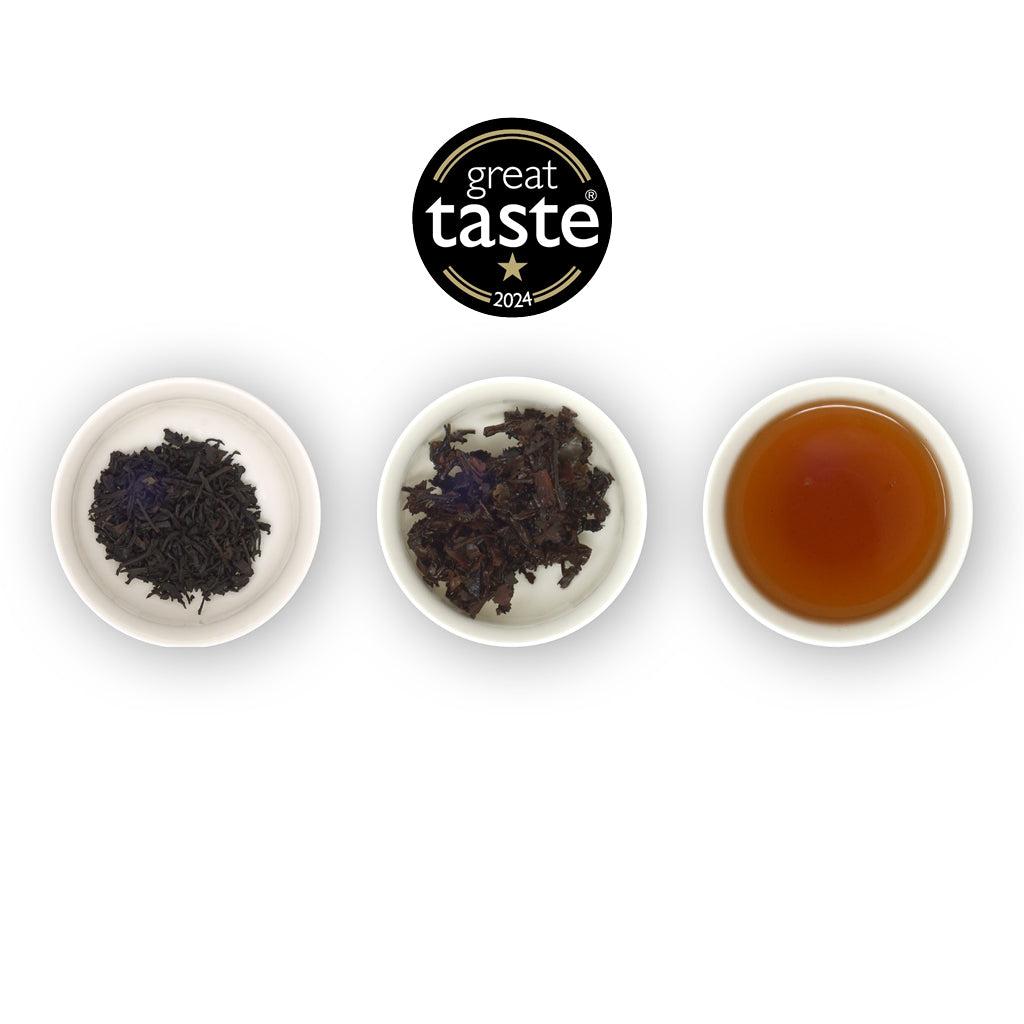



Lapsang Souchong
Lapsang is the most marmite of teas: people tend to love it or loathe it, with very little in between. If you are in the love-it camp, this is for you, because this is Lapsang as it should taste: a proper wood-smoked black tea in the traditional style, all fragrant pine and oak. Think an aromatic smoke, like a cosy bonfire in a mug, rather than the heavy, tarry sort.
This is a traditional Lapsang, and a properly smoky one, refined but not shy. But the smoke here is fragrant and characterful, an aromatic woodsmoke to be savoured, rather than the heavy, tarry, almost medicinal kind. If it is that intense, peaty extreme you are chasing, the tea answer to a big Islay whisky, that is a different style again, and this traditional one may taste too subtle for you. For everyone else, this is a beautifully made smoked tea, smoke and all.
Lapsang has real history: it comes originally from Tongmu, in the Wuyi Mountains of China, and is often called the very first black tea. Mine is a Formosa Lapsang, a loose-leaf black grown in Nantou County (Taiwan) at 1,000 to 2,000 feet. As for how the smoking began, there are a few tales; the one I like best is that a passing army bedded down on a fresh crop of leaves overnight, and by morning the bruised leaves were beyond saving, so the tea farmer smoked them over a fire to rescue the batch and disguise the damage. A happy accident, and a classic was born.
A quick word, because you may have heard some noise about it lately: yes, Lapsang is safe to drink. A few years ago the rules around all smoked foods, salmon, cheese, tea, were tightened to make sure everything is smoked safely, which added cost and paperwork and quietly cleared the cheapest, poorest Lapsangs off the shelves. Faced with the higher price, some sellers simply chose to stop stocking it. That was a business decision about cost, nothing more; there was never anything wrong with the tea itself. A proper Lapsang like this one, traditionally smoked over pine and oak, carries no more concern than a smoked kipper or a slice of smoked salmon, and I simply carried on selling the real thing. It is also a Great Taste Award winner, which I am quietly pleased about for a tea this uncompromising.
If you would like something gentler still, do try my Jin Jun Mei, a gently smoked tea at the sweet, subtle end of the spectrum. It is a proper black tea, so there is caffeine in it, and it is best without milk, to let the smoke come through, though it is robust enough to take a splash.
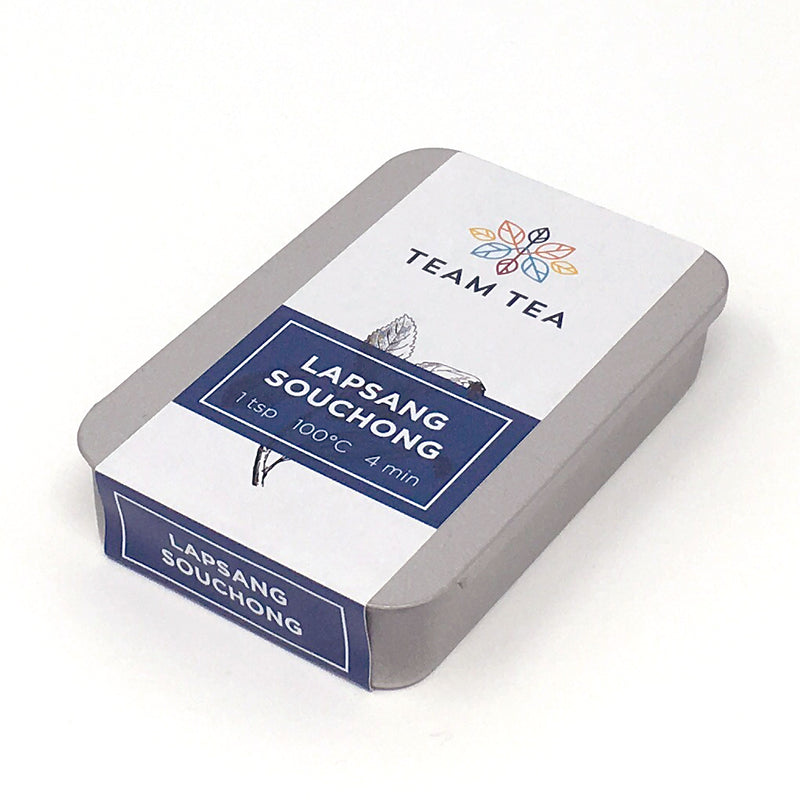
Brew at 100°C for 3 to 4 minutes. If you like it bolder, reach for more leaf rather than a longer steep; a generous spoonful builds the smoke, whereas over-steeping just tips it towards bitter.
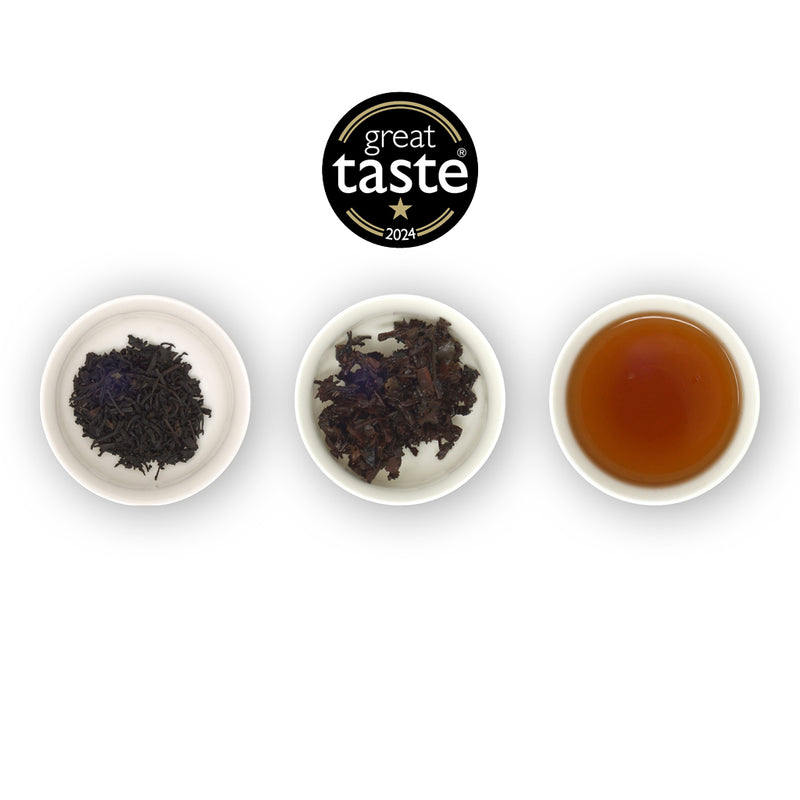
"A Lapsang with some delicacy, sweetness matching the pine and oak smoke nicely. A good, mellow, introductory example, and a pleasing clarity and colour of infusion."
-Great Taste Awards, 2024 1-star
Ingredients || Black Tea (Formosa Lapsang; smoked over pine and oak)
Warning, packed in an environment that contains nuts
Caffeine || Yes
Tasting Notes || Fragrant and smoky, with pine, oak and a cosy log-fire character
Brewing Notes || 1 teaspoon per cup, 100ºC, brew for 3-5 minutes.